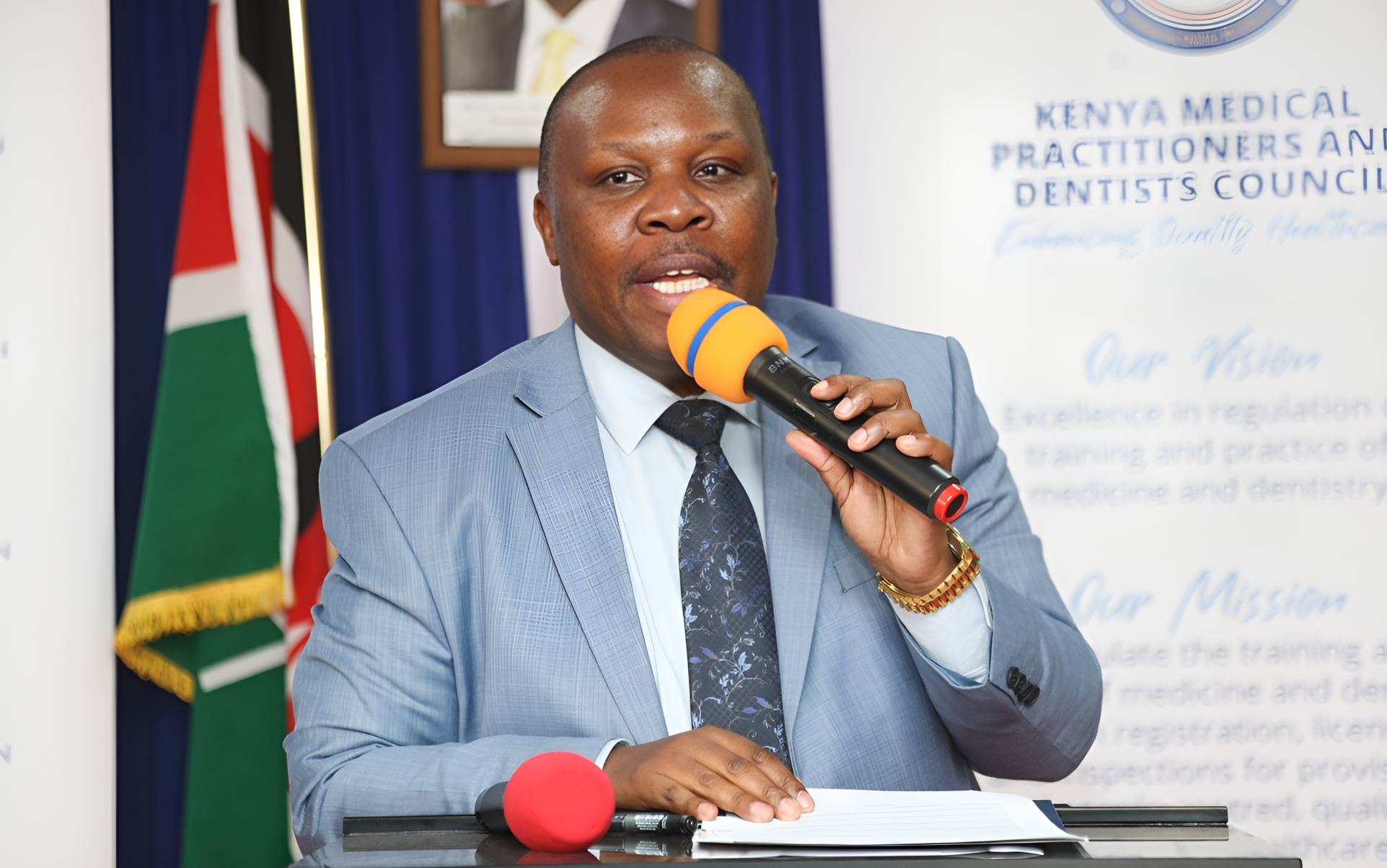
The Kenya Medical Practitioners and Dentists Council (KMPDC) has condemned claims of faith-based healing for serious medical conditions, including HIV/AIDS and cancer, warning that such assertions are unverified and pose serious risks to public health, particularly when made by trained medical practitioners.
In a statement issued on claims attributed to certain practitioners during a religious crusade in Nakuru, the Council said it was “deeply concerned” by reports suggesting that chronic and life-threatening conditions such as HIV/AIDS, cancer, blindness, deafness, muteness and physical disabilities could be cured through faith healing. KMPDC described the claims as unethical and misleading, noting that they could endanger vulnerable patients.
“The Council unequivocally condemns such statements by medical practitioners, which are based on unverified claims,” KMPDC said, stressing that it remains the statutory body mandated to regulate medical and dental practice in Kenya and to safeguard public health.
Emphasising the primacy of science in healthcare, the Council said all treatments must be grounded in evidence-based medicine.
“All medical treatments and interventions must be grounded in scientific evidence, rigorous testing, and regulatory approval,” the statement said.
It added that claims of healing for chronic or life-threatening illnesses “require verifiable medical documentation and cannot be accepted without independent verification by qualified healthcare professionals.”
KMPDC warned that unsubstantiated claims, particularly when made by health professionals, may mislead patients into abandoning proven therapies. Such actions, the Council noted, could result in “worsened health outcomes, drug resistance, or loss of life.”
While acknowledging the role of faith and spirituality in society, the Council cautioned against replacing medical care with unverified practices.
“Relying solely on unverified healing methods for serious illnesses can pose grave risks,” the statement said. KMPDC strongly advised the public against abandoning prescribed treatment for conditions such as HIV/AIDS, diabetes, hypertension, epilepsy and other chronic illnesses, saying this contradicts established public health guidelines.
The Council also announced that investigations into the claims are underway.
“KMPDC is working closely with the Ministry of Health and other regulatory bodies to investigate these claims,” it said, adding that appropriate action would be taken against any practitioner found to have violated medical ethics or health regulations. This may include disciplinary or legal measures aimed at protecting patients and preventing the spread of misinformation.
KMPDC reassured Kenyans that the country’s healthcare system remains strong, citing continued investments in public health education, access to antiretroviral therapy, cancer care, chronic disease management and medical research.
The Council urged members of the public to report any suspicious or questionable healing claims to the relevant authorities for verification.
“Your health and well-being remain our top priority,” said KMPDC Chief Executive Officer Dr David G. Kariuki, reaffirming the Council’s commitment to “a safe, informed, and ethical healthcare environment.”






























